


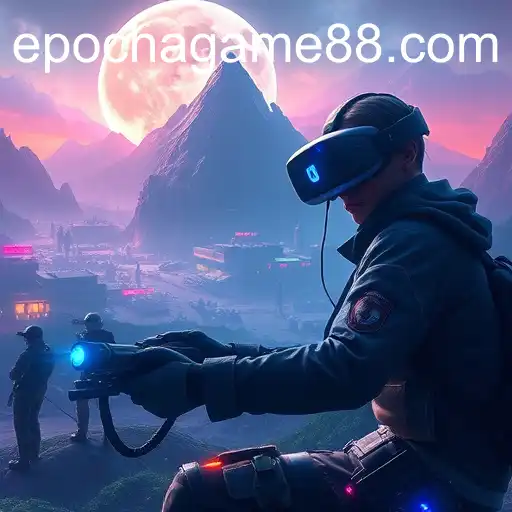
In recent years, the gaming industry has witnessed a phenomenal transformation, not least due to advancements in technology and changing consumer preferences. As we find ourselves in 2025, the notion of an 'epoch game'—a term gaining traction across gaming communities—emerges as a poignant epitome of this evolution. These games, characterized by their groundbreaking narratives and immersive environments, have set the new standard for what players and developers alike are coming to expect.
The rise of virtual reality (VR) and augmented reality (AR) technologies has undoubtedly been a significant catalyst for these changes. Games are no longer confined to the limitations of screens and consoles but instead have moved into dynamic experiences that engage multiple senses. Developers like those behind the critically acclaimed 'Epoch Surpasser,' a game that has recently taken the world by storm, have capitalized on these technologies, creating universes where players can step into entirely new worlds. The realism and interactivity of such VR experiences have not only captured the imagination of gamers but have also sparked wide interest across sectors ranging from education to corporate training.
Such advancements have opened up discussions around the socio-economic impacts of gaming. As the industry draws closer interconnections between global economies, it is projected that competitive gaming or e-sports could reach unprecedented heights of popularity and economic value. With countries around the world recognizing e-sports athletes officially, there has been a normalization and legitimization of gaming as a professional pursuit. This dynamic shift coincides with growing investments and innovations aimed at enhancing artificial intelligence within these games, promising even more engaging and life-like opponent experiences.
Online communities have also become more robust, providing new opportunities for social interaction in an increasingly digital world. These communities foster a sense of belonging among players who engage through games, often creating lasting friendships beyond geographical borders. As such, a game isn’t merely a medium of entertainment; it is a platform for cultural exchange and collective experience.
As 'epoch games' continue to redefine the limits of possibility within gaming, the next few years promise an exciting frontier for innovation. Whether you're an industry veteran or a newcomer, the evolving landscape presents numerous opportunities for creativity, connectivity, and change. As we play witness to these transformations, it’s clear that the potential for gaming to influence broader cultural narratives is immense.